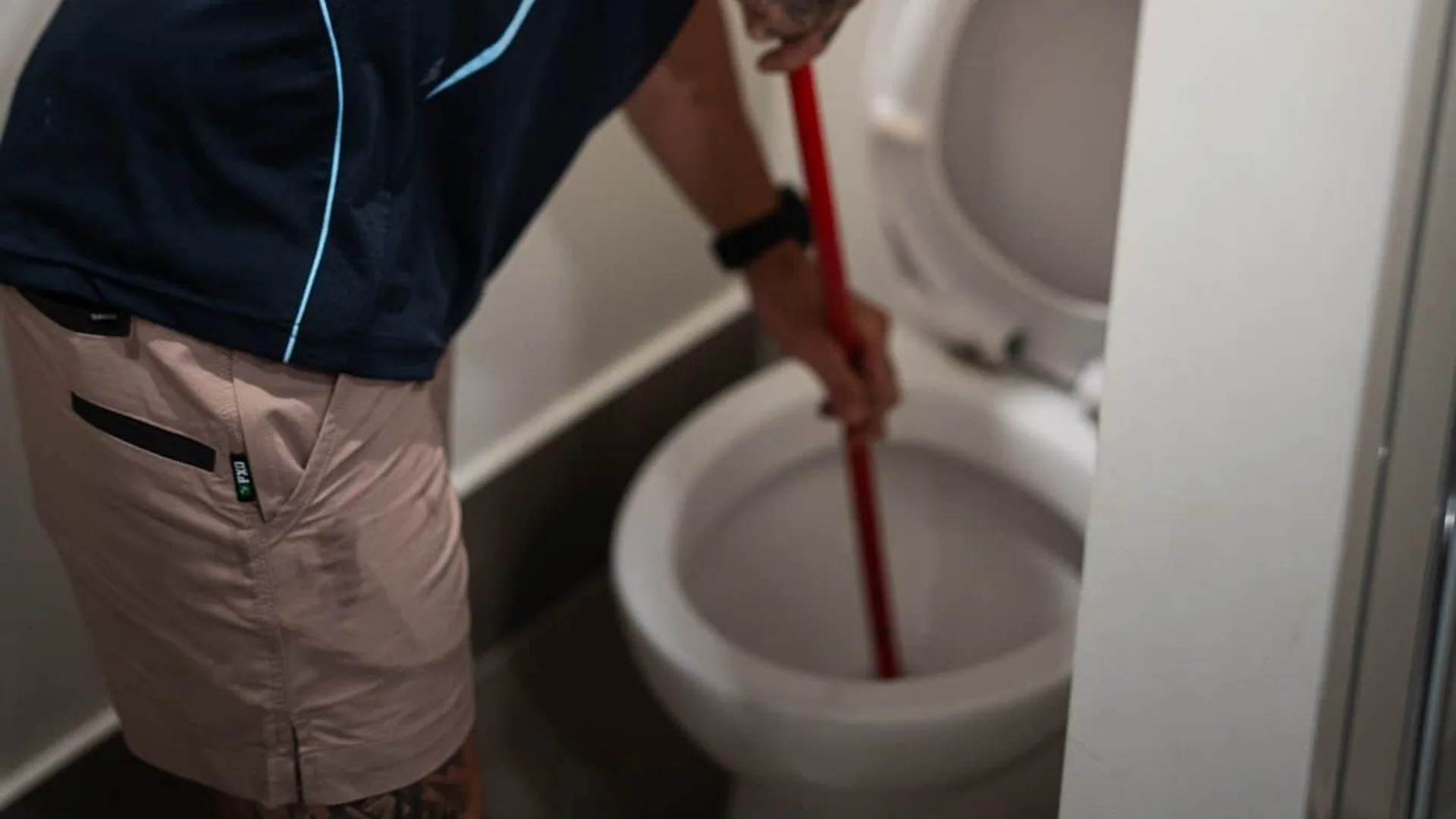
What an Overflowing Toilet Means
A toilet going over the rim is water with nowhere to go, and the clock starts the moment it happens. That is why the page sits under emergency plumbing: a rising bowl never fixes itself, whether the choke is in the pan, the cistern or the sewer main out the back.
If the bowl is climbing right now: turn off the stop tap at the base of the toilet, or reach inside the cistern and close the inlet valve. Then call (02) 4063 3455.
Plumbers Raworth gets the call, talks you through shutting things down, and gets a licensed plumber moving. Raworth homes are mostly big family houses, and many off Stanton Drive and Riley James Drive run on a single bathroom. One choked toilet with a queue of people waiting for it is exactly why these calls convert to urgent bookings fast.
Why Toilets Overflow in Raworth Homes
Four culprits cover almost every overflow callout, ordered from the simplest fix to the biggest job. Each gets handled differently, which is why the cause matters before the gear comes off the truck.
A choked trap or pan
Paper, wipes or a toy wedged in the trap is the simple version. The bowl fills on flush and settles there, and a hand tool or small machine usually clears it.
A blocked sewer main
Gurgling from more than one fixture means the choke sits downstream. Roots from maturing boundary trees around the older estate sections now probe the joints of two-decade-old drainage, and sewers are a favourite.
Storm surcharge on the low blocks
Flood-watch rain over the Maitland valley pushes the estate network to capacity, and on the flattest ground water pushes back up through the pan. It recedes when the rain does, but needs checking.
A cistern that never stops filling
Not a blockage at all. A worn inlet valve or jammed float keeps the cistern refilling, and the overflow tube sends the excess into the bowl. Slow, quiet and a real water waster.
What You Can Safely Check First
A few minutes of checks before the plumber arrives protects the floor and speeds up the job. Nothing here needs tools or risk, and stopping is always the right answer if something feels off.
- 1
Stop the refill
Close the stop tap behind the toilet, or press the float down inside the cistern. The water level in the bowl drops back once nothing is feeding it.
- 2
Test a second fixture
Run a basin tap or the laundry sink. If only the toilet misbehaves, the problem is local. If everything drains slowly, it points to the main line.
- 3
Keep the kids and the paper away
Another flush while the line is choked moves the water one direction only, and it is toward the door.
- 4
Contain and soak
Towels around the base, door closed. Overflow water is not clean water, so wash hands and keep pets out until it is dealt with.
Do not wait on this
When to Call Instead of Waiting
Some overflows can wait an hour. Others cannot, and telling the difference saves floors, flooring and patience. Call straight away if any of these are happening:
- Water still rising after the supply is shut off
- More than one toilet or drain backing up at once
- Overflow that starts or worsens while heavy rain sits over the valley
- Sewage, not just water, coming up through the pan or the floor waste
- A household with one bathroom and a full morning schedule
Single-bathroom households feel a dead toilet hardest. Main-line chokes in these big working homes rarely wait for a convenient hour, and the earlier you call, the better the slot. If the bowl has stopped rising but drains at a glacial pace, a same-day booking is plenty.
How We Clear an Overflow
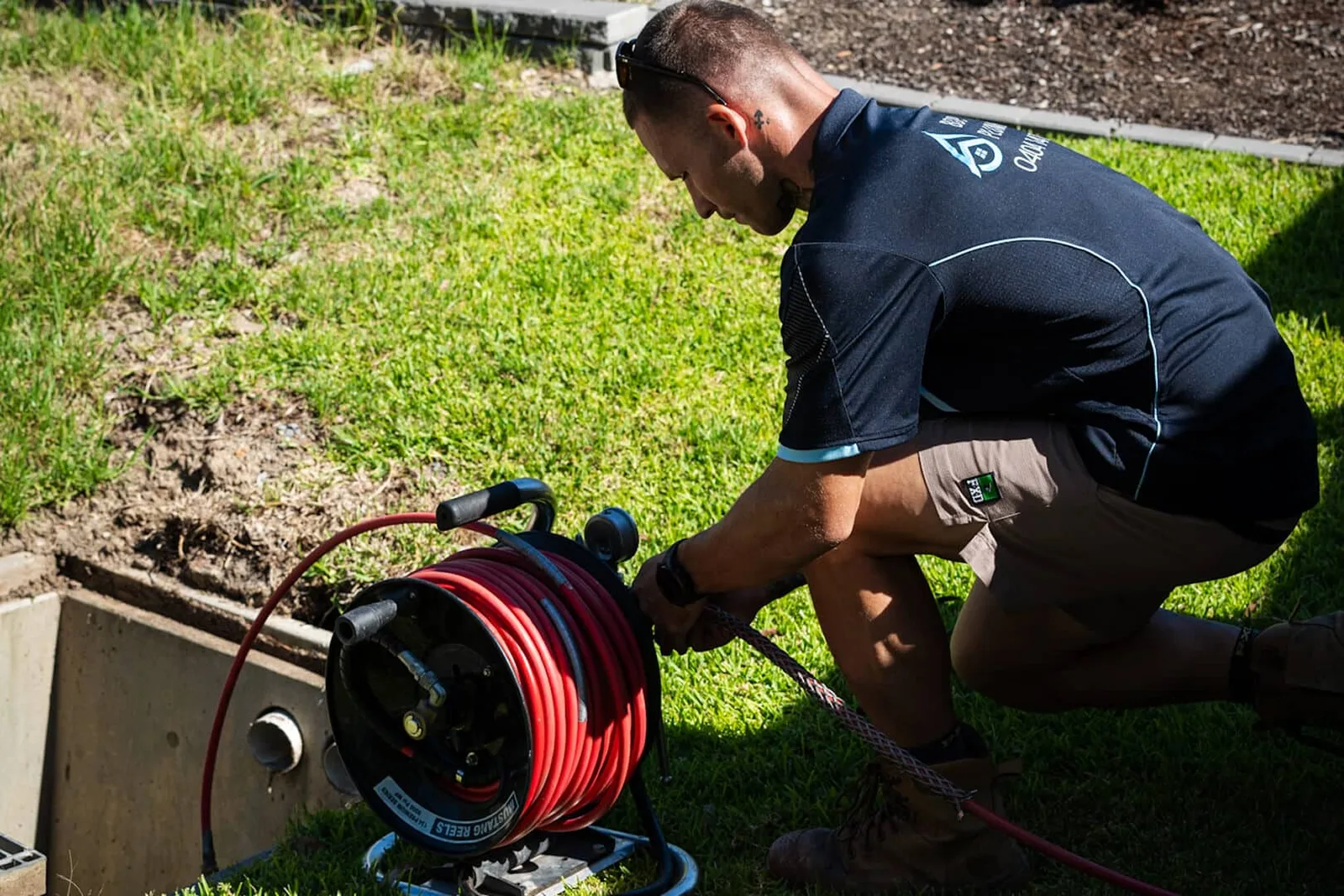
The first visit follows the same honest pattern as every other job we run, because a rushed repair on a sewer line is how the same callout books again in a fortnight.
Step 1: Call and tell us.
Step 2: Quote before work.
Step 3: Find it, clear it, prove it.
Step 4: Backed, no questions asked.
Where the work goes next.
When the porcelain itself is the fault.
Common Questions About Toilet Overflows
Should I keep flushing to try to clear it?
No. Every extra flush feeds water into a line that is already full, and the next push usually ends up on the floor instead of down the pipe. Shut the supply and wait.
Is it still an emergency if the water stops rising?
If the bowl settled and everything else drains normally, it can wait for a same-day slot. Gurgling fixtures or a wet yard gully say treat it as urgent and call.
Will you need to dig up my yard to find the blockage?
Rarely, and never before looking. A camera inspection shows where and what the problem is first, so any excavation is targeted at one spot rather than guesswork across the lawn.
Could the sewer be blocked rather than the toilet?
Yes, and it is common here. When the whole system backs up at once, the pan is just the lowest exit point. The sewer page explains the difference and how each gets fixed.
Do you repair the cistern or just clear the blockage?
Both. Worn valves, jammed floats and leaking seals are ordinary repair work, and if the cistern or pan is genuinely finished, you get a straight quote for replacement rather than a patch.
What does an after-hours overflow callout cost?
The call out costs nothing. You get a clear quote before any work starts, and you decide whether to approve it. No surprise figures after the job is done.
Get the Water Going the Right Way
Call (02) 4063 3455 and tell us what's happening. $0 call out across Raworth, a clear quote before any work starts, and a job that gets made right if it isn't right the first time.
The emergency plumbing hub covers the other urgent calls, including burst pipes and no hot water, and the home page runs through the full service range.
Plumbers in Raworth and the suburbs around it