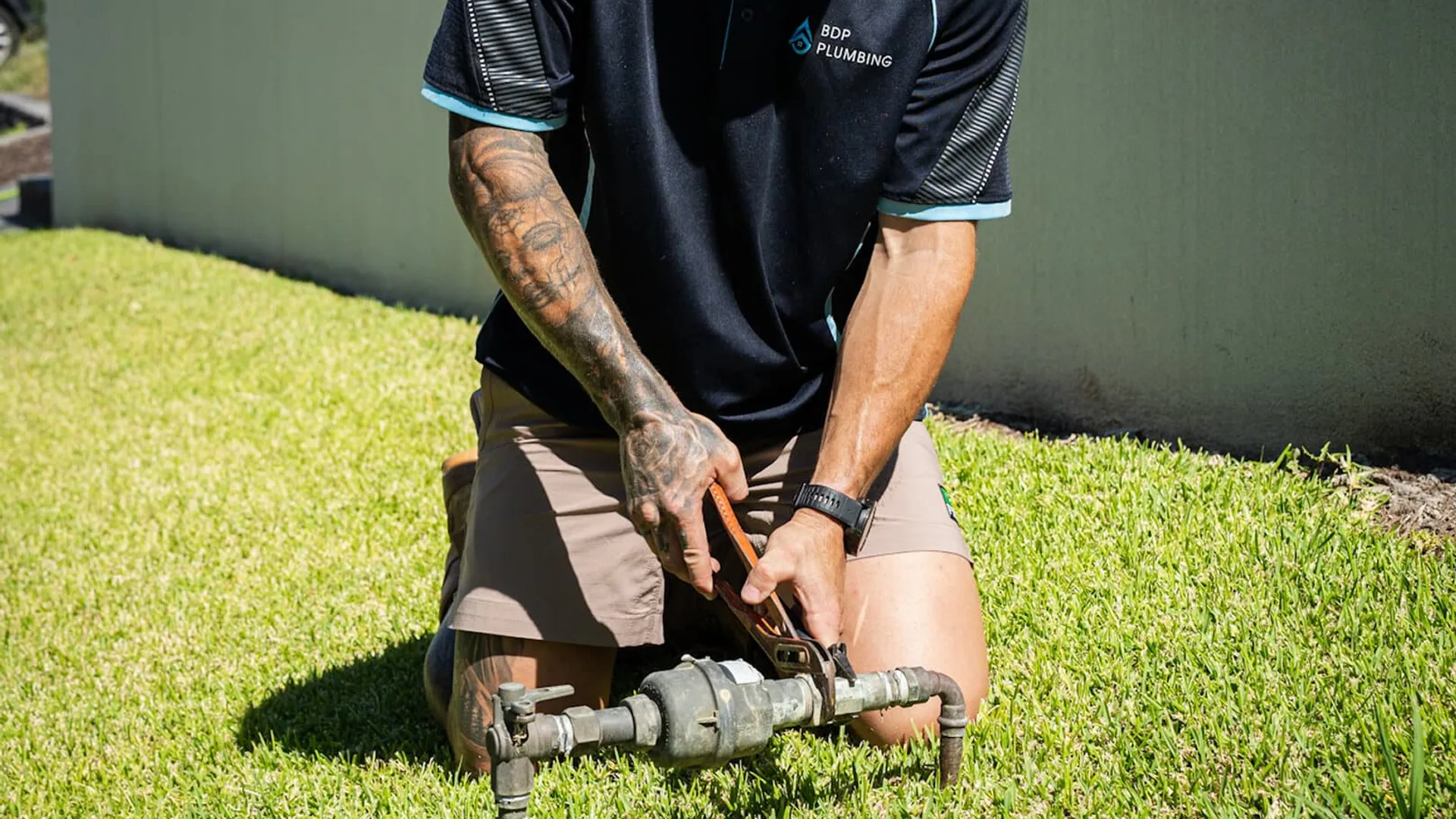
General Plumbing in Raworth
Leak Detection Raworth
A hidden leak costs more every day it keeps running. Leak detection in Raworth means finding the source with proper gear before anyone opens a wall, digs up a paving job or cuts into a slab.
The slow ones do the worst damage. Water escaping quietly behind plaster or under a slab never gives you a puddle to point at, which is why it's often weeks before anyone calls.
It's one of the core jobs we handle around Raworth and the wider Maitland area. The full run of general work sits on the plumbing hub, and this page explains how a hidden leak gets traced, confirmed and fixed without turning your house into a demolition site.
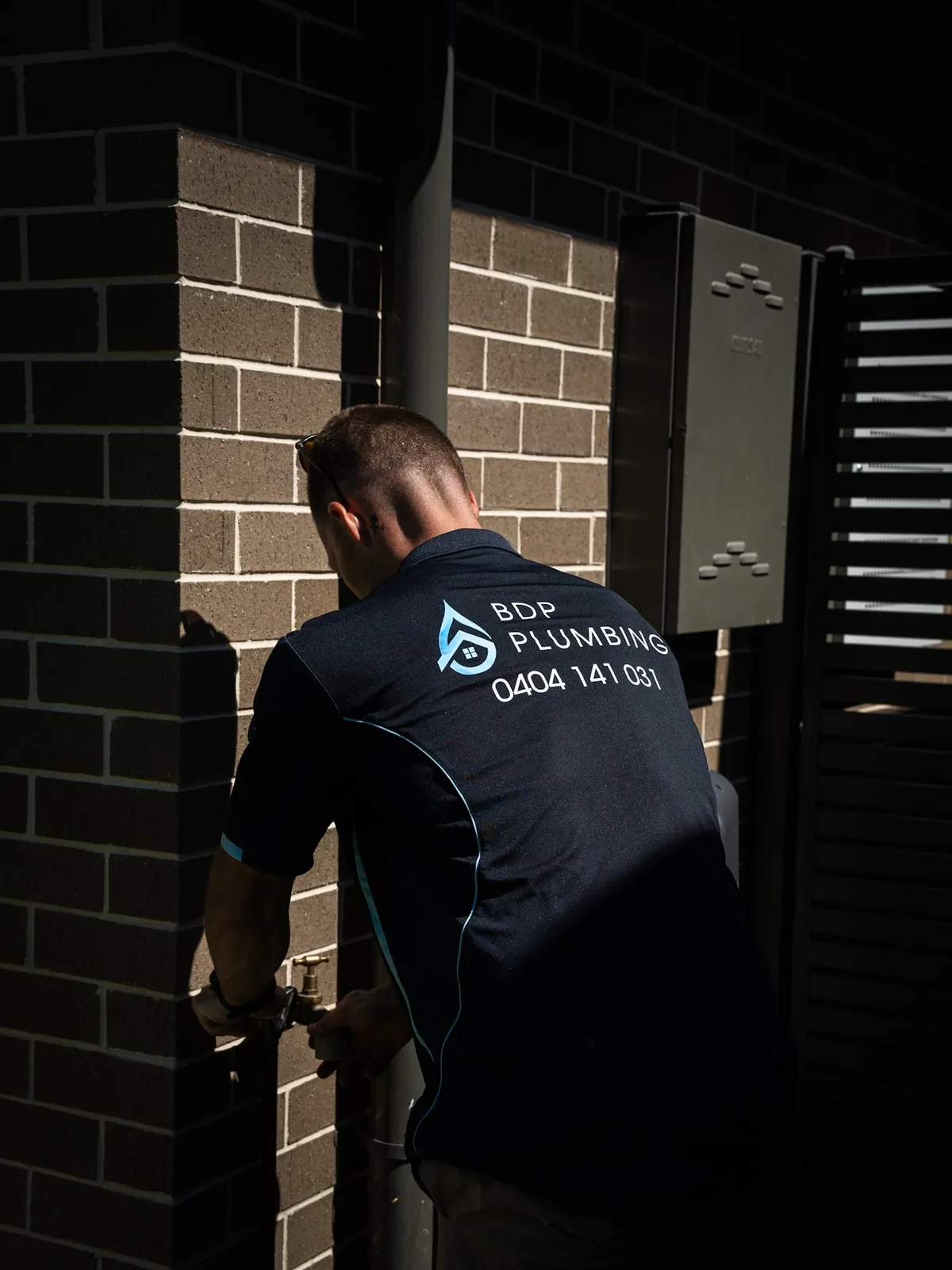
The Signs a Leak Is Hiding Somewhere
A leak doesn't always announce itself with a puddle. The common giveaways we get called for in these estate streets include:
- A water bill that jumps without anyone changing their habits
- A meter turning while every tap and appliance is off
- Damp or stained plaster, skirting or carpet that keeps coming back
- Warm patches on a slab floor where a hot water line runs underneath
- The sound of running water when nothing is turned on
- A patch of lawn or garden that stays green while everything around it browns off
Any one of these is worth a look. Two together usually mean water is escaping somewhere you can't see.
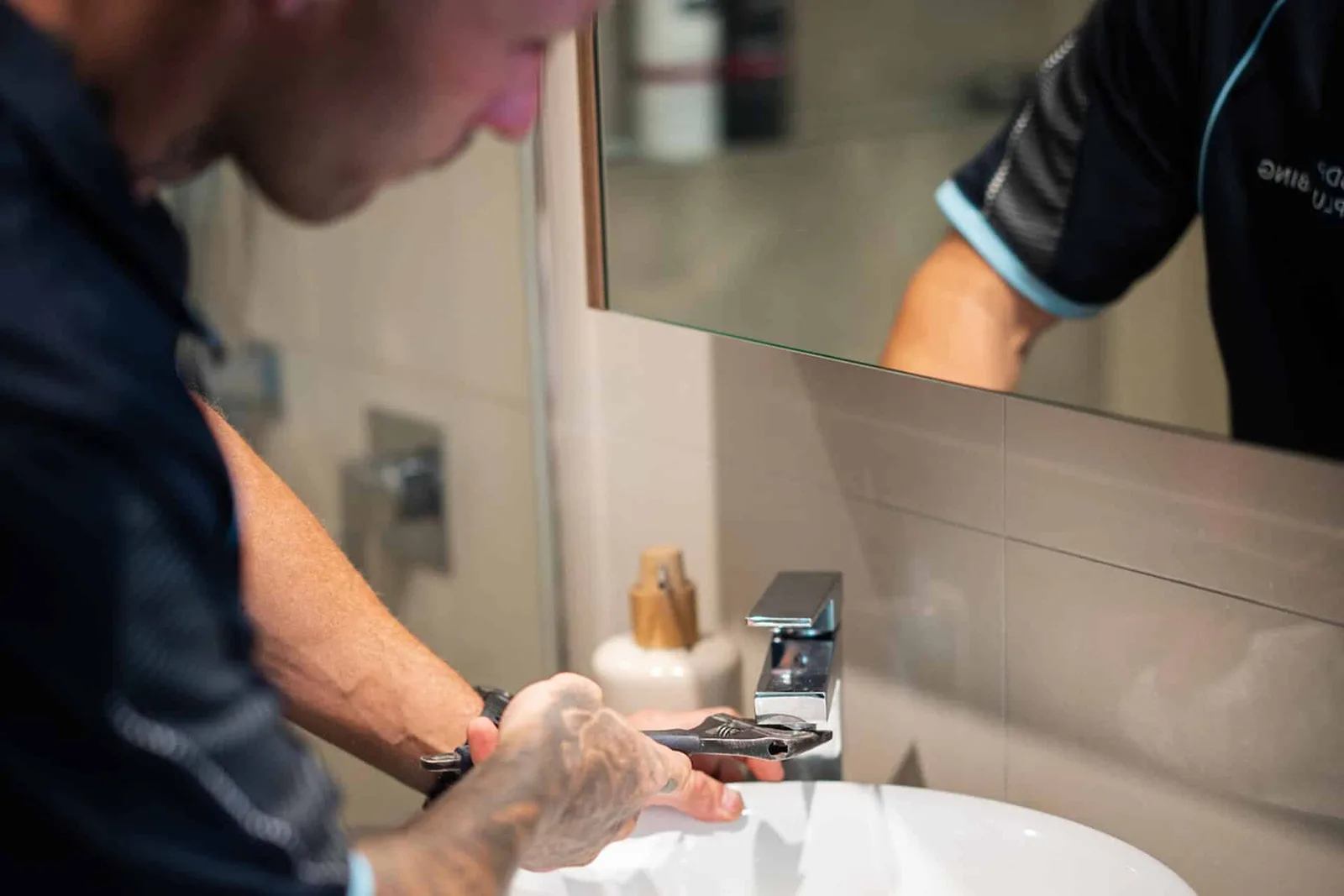
Why Houses Here Keep Us Busy on This Job
Two things shape the leak work in this pocket of the Maitland LGA, and both come from how the suburb was built.
Ground that moves.
Fittings that were never the durable end.
There's a third pattern worth knowing. At the last census, 89.4 percent of dwellings here were separate houses, and most sit close to their neighbours on estate blocks. A slab leak on one lot has a habit of showing up as a mystery damp patch on the fence line or the adjoining slab.
That's exactly why tracing beats guessing.
Where the Leaks Turn Up
Two parts of the suburb generate most of the tracing work.
The river-flat side.
The established garden streets.
How We Trace a Leak, Step by Step
Detection is a process of elimination. The aim is a tight location before any surface opens.
Confirm the loss
Listen in
Read the moisture
Camera the drains
Once the location is confirmed, you get the repair quote in writing before a single tile or paver comes up. No surprises and no exploratory holes.
What Happens After the Leak Is Found
Finding it is half the job. The other half is fixing it cleanly.
Supply leaks
Flexi hose failures
Hot water line leaks
Drain leaks
If a slab leak turns out to be part of a bigger pattern of ground movement, you'll hear that straight, along with the options and the cost of each.
Leak Detection Questions, Answered
How do you find a leak without tearing walls open?
Acoustic listening gear, moisture meters and pressure testing narrow the location first. Only when the reading is tight does any surface come up, and it's one hole in the right place.
Should I check the water meter before calling?
Yes. Turn every tap and appliance off, then watch the meter dial for fifteen minutes. If it moves, water is going somewhere, and that reading is worth telling us when you ring.
Is a leaking pipe covered as an emergency?
If water is running now, treat it as urgent and see the emergency plumbing page. Slow seepage behind a wall or under a slab can usually be booked as a standard quote-first visit.
What does leak detection cost?
The call out costs nothing and you get the quote before any work starts. Detection itself is quoted on the job, and the price you approve is the price you pay.
Can you fix the leak the same visit?
Usually, yes. Most supply-side leaks are a fitting, pipe section or valve swap, and the common parts travel on the truck. Slab leaks and buried runs sometimes need a second visit for access.
Why do newer houses still get leaks?
Much of the housing here went up as volume-built estates, and fittings installed to a price point can fail long before quality equivalents would. A young house is not a leak-free house.
How the Job Runs, Start to Finish
- 1
Call and tell us
Ring (02) 4063 3455 and tell us what's going on. We'll ask a few quick questions so the right gear is on the truck the first time.
- 2
Quote before work
You get the price before anything starts. No call-out fee, no hourly surprises, and you approve the quote or we shake hands and leave, no charge.
- 3
Trace and fix
Detection gear finds the exact point, the quote is confirmed on the facts, and the repair gets done with quality parts and tested before we pack up.
- 4
Backed, no questions asked
If something isn't up to standard afterwards, we come back and make it right, no questions asked. That's the standard every job here is held to.
Where a Leak Fits With Everything Else
Some leaks belong to a bigger story, and it helps to know which one you're in.
Not sure which category your job falls under? Ring (02) 4063 3455 and describe what you're seeing. We'll point you the right way.
Get the Leak Found Properly
Call (02) 4063 3455 and tell us what's happening. $0 call out across Raworth, a clear quote before any work starts, and a job that gets made right if it isn't right the first time.
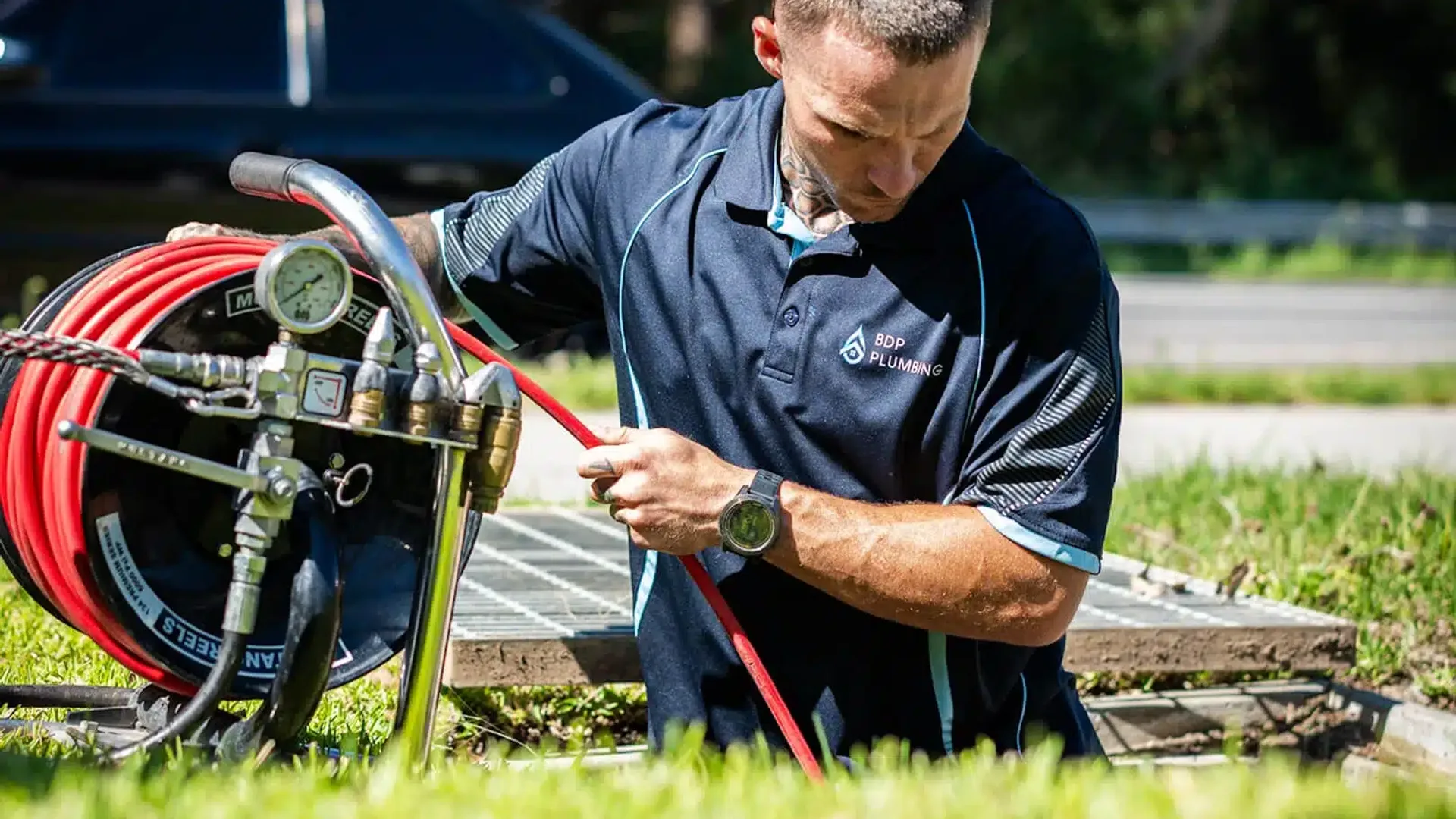
Plumbers in Raworth and the suburbs around it